
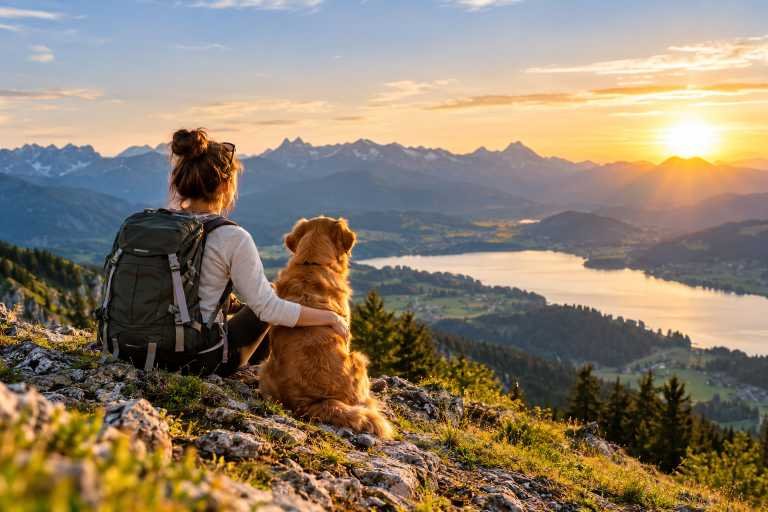
Planning a holiday with your dog requires some preparation. You need a destination with suitable accommodation, walking routes, and places where dogs are welcome. The right location can make the trip easier for both you and your pet.
Germany offers many dog friendly holiday destinations, from sandy beaches to mountain trails and forest paths. Coastal towns are ideal for dogs that enjoy long walks by the sea. Mountain regions are a good choice for dogs that like walking and exploring nature.
The best destination depends on your dog’s needs, the season, and the activities you want to enjoy together. Here are some of the best places for holidays with dogs in Germany, along with practical tips to help you plan your trip.
Dog-Friendly Holidays in Germany
Germany is a good choice for a holiday with your dog because it offers different landscapes and many walking opportunities. You can choose a coastal town, a mountain region, or a quiet village surrounded by nature.
If your dog enjoys swimming and playing in the sand, consider a dog friendly holiday by the sea. The Baltic Sea and North Sea both have beaches where dogs are allowed. However, access rules can change depending on the beach and season. Check local rules before your visit.
For dogs that prefer cooler weather, spring and autumn can be better times to travel. Summer can be difficult for some breeds, especially during hot weather. Choose a destination and travel period that suit your dog’s health, age, and activity level.
Dog-Friendly Holidays on the Baltic Sea
The Baltic Sea is a popular choice for dog friendly holidays in Germany. It offers sandy beaches, coastal paths, small towns, and many opportunities for outdoor activities.
Some areas also have designated dog beaches where dogs can play and swim. Always check whether your dog must stay on a lead and whether seasonal restrictions apply.
Timmendorfer Strand
Timmendorfer Strand is a good option for a coastal holiday with your dog. The town has access to the Baltic Sea and offers walking routes near the beach, parks, and wooded areas.
Nearby towns such as Scharbeutz and Niendorf also have designated dog beaches. This gives you more options for walks and time by the water.
Many accommodation providers, restaurants, and shops in the area welcome dogs, although individual rules may differ. Check the conditions before booking your stay.
If you want to explore beyond the beach, you can take your dog for walks through nearby green spaces. Timmendorfer Strand is worth considering if you want a mix of coastal scenery and town facilities.
Heiligenhafen
Heiligenhafen is another destination to consider for dog friendly holidays on the Baltic Sea. It has a harbour, a town centre, and a long sandy beach.
The local dog beach gives dogs a place to enjoy the coast. Autumn and winter can be good times to visit if you prefer quieter beaches and cooler temperatures.
During summer, you can also explore walking paths near the coast. These routes offer views of the Baltic Sea and harbour.
Before your trip, check the local beach rules and accommodation policies. This will help you avoid restrictions when planning activities with your dog.
Read More: Camino de Santiago in Germany
Fischland-Darß-Zingst
Fischland-Darß-Zingst, a peninsula in Mecklenburg-Vorpommern, is a useful option for travellers who prefer nature and quieter coastal areas.
The region offers sandy beaches, forests, and walking routes near the Bodden lagoons. These landscapes provide different places to explore with your dog during your stay.
Towns such as Prerow, Zingst, and Ahrenshoop have accommodation options for visitors travelling with pets. Some cafés and restaurants also welcome dogs.
This area is worth considering if you want dog friendly holiday destinations with access to beaches and nature. Check local dog beach locations and leash rules before setting out.
Dog-Friendly Holidays on the North Sea
The North Sea is another option for holidays with dogs in Germany. Its coastal towns offer sea views, walking routes, and access to open landscapes.
However, some beaches restrict dog access during certain times of the year. Designated dog beaches are often the easiest places to plan a visit with your pet.
Büsum
Büsum is a coastal town in Schleswig-Holstein. Although it does not offer the same type of sandy beach experience everywhere, it has green coastal areas, walking paths, and access to the North Sea.
Dogs can visit designated areas, including the dog beach. The nearby mudflats are also an important part of the local landscape. If you plan to explore them with your dog, follow local guidance and use permitted routes.
Büsum also has a harbour and a town centre with shops, cafés, and restaurants. Some businesses welcome dogs, but it is best to check individual policies.
If you want to take a ferry trip from the harbour, confirm the pet rules with the operator before booking. Not every vessel allows dogs.
St. Peter-Ording
St. Peter-Ording is known for its wide sandy beaches and coastal scenery. It is a strong option for people looking for dog friendly beaches in Germany.
Designated dog areas provide space for dogs to walk and play. Some areas also allow dogs to run off the lead, subject to local rules.
The wide beach makes it possible to enjoy longer walks with your pet. You can also visit the area’s raised restaurants, which offer views of the coast.
Before visiting, check which beach sections allow dogs and whether lead restrictions apply. This is especially important during the busy summer season.
Read More: Best Beer Gardens in Germany
Friedrichskoog
Friedrichskoog is a quieter coastal destination in Schleswig-Holstein. It may suit travellers who want to avoid busy seaside resorts.
The area has coastal dikes, walking routes, and a designated dog beach. These features make it a useful option for a relaxed holiday with your pet.
You can enjoy walks near the water and explore the surrounding countryside. The quieter setting may also appeal to dogs that find crowded places stressful.
Several holiday homes and accommodation providers cater to visitors with dogs. Confirm pet policies, garden access, and nearby walking options before booking.
Friedrichskoog is worth considering if you want a quieter alternative for dog friendly holidays on the North Sea.
Dog-Friendly Holidays in the Allgäu
The Allgäu region in Bavaria is a good choice for dog friendly holidays in Germany if you enjoy mountains, lakes, and hiking. The region offers mountain trails, green meadows, and clear lakes. Before planning a hike, make sure the route suits your dog’s fitness level. Carry enough water, snacks, and a basic first-aid kit.
Spring and autumn are often good seasons for hiking because temperatures are usually cooler. Summer is also an option, but avoid long walks during the hottest hours.
Nebelhorn
Nebelhorn, near Oberstdorf, offers mountain views and hiking opportunities. You can reach the mountain by cable car. However, check the current rules for dogs before travelling. Some dogs may feel uncomfortable in a moving cable car, especially in windy conditions.
Once you arrive, choose a walking route that matches your dog’s abilities. Keep your dog on a lead where required and carry enough water for the journey.
Großer Alpsee
Großer Alpsee is another option for a holiday with your dog in the Allgäu. You can walk along the lake, enjoy the scenery, and explore nearby trails.
In warmer months, the lake area can be a good place to spend time outdoors. Check local rules before allowing your dog to swim. Autumn is also a good time to visit, with cooler weather and colourful forests.
Dog-Friendly Holidays in the Harz Mountains
The Harz Mountains are ideal for travellers who prefer forests, lakes, and hiking trails. The region offers outdoor activities for dogs and their owners, from short walks to longer hikes.
You can explore the area around Oderteich, hike near Brocken, or visit historic towns such as Wernigerode and Quedlinburg. Choose routes that suit your dog’s fitness and check local trail rules before setting out.
If you are looking for dog friendly accommodation in Germany, the Harz region has holiday homes and other properties that accept pets. Some offer enclosed gardens, but you should confirm the facilities before booking.
One place worth considering is the Hundewald in Wildemann. This fenced area in the Upper Harz gives dogs space to run and play off the lead under the site’s rules. Check current access arrangements before visiting.
Travelling Abroad with a Dog
Travelling abroad with your dog requires additional planning. If you are driving, take a few shorter trips before departure to help your dog get used to the journey.
During longer drives, plan regular breaks for water, walking, and toilet needs. Bring familiar food and any items your dog needs to feel comfortable.
If you plan to fly, check the airline’s pet policy before booking. Requirements can vary by airline, destination, and the size of your dog. You may also need specific travel documents, vaccinations, or other preparations.
Research the destination’s entry rules in advance. This will help you prepare the necessary documents and avoid problems during your trip.
Read More: Best Golf Hotels in Germany
Important Tips for a Holiday with Your Dog
A little preparation can make your dog friendly holiday easier to manage. Before leaving, check the following details:
- Accommodation: Confirm that dogs are allowed and ask about extra charges, restricted areas, and available facilities.
- Beach access: Check where dogs are permitted and whether seasonal restrictions or lead rules apply.
- Travel essentials: Pack food, water, bowls, treats, a lead, waste bags, towels, and familiar toys.
- Documents: Carry your dog’s identification and any required health or vaccination records.
- Activities: Choose walks and excursions that suit your dog’s age, fitness, and needs.
- Weather: Plan outdoor activities around the temperature and provide access to shade and water.
If you are travelling by car, plan breaks every two to three hours as a general guide. Puppies, older dogs, and dogs with special needs may require more frequent stops.
Never leave your dog alone in a parked car during warm weather. Temperatures can rise quickly and become dangerous, even when the car is parked in the shade.
Before visiting a beach or nature reserve, check local regulations. These simple steps can help you avoid unnecessary problems during your holiday.
Frequently Asked Questions
Where is the best place to go on holiday with a dog?
The best destination depends on your dog’s needs and your preferred activities. The Baltic Sea and North Sea are good options for coastal walks and dog beaches. The Allgäu and Harz Mountains are suitable for hiking and exploring nature. Choose a destination with suitable accommodation and enough space for your dog to exercise.
How long can a dog travel in a car without a break?
A break every two to three hours is a useful general guide for travelling with a dog by car. Give your dog time to drink water, stretch, and relieve itself. Adjust the frequency according to your dog’s age, health, and comfort.
Which German island is best for dogs?
Rügen is worth considering for a holiday with your dog. The island offers beaches, coastal walking routes, forests, and nature areas. Sylt, Norderney, and Amrum are also options for dog owners. Check local beach access rules and seasonal restrictions before travelling.