Forests, sparkling lakes, towering mountains, fascinating wildlife, and unforgettable outdoor adventures — Germany offers a surprising variety of natural landscapes for travelers looking to escape the everyday routine. You don’t need to travel far to discover peaceful wilderness, spectacular hiking trails, or exciting activities surrounded by nature.
Whether you dream of exploring ancient woodlands, spotting rare birds, gliding through the treetops on a zipline, or spending several days hiking with a backpack, Germany has something for every nature enthusiast.
Join us on a journey through some of the country’s most beautiful natural destinations, from the lake-filled landscapes of Mecklenburg-Vorpommern to the dramatic cliffs of Saxon Switzerland and the windswept shores of the North Sea.
Pack your hiking boots, grab your binoculars, and get ready to explore Germany’s wilder side!
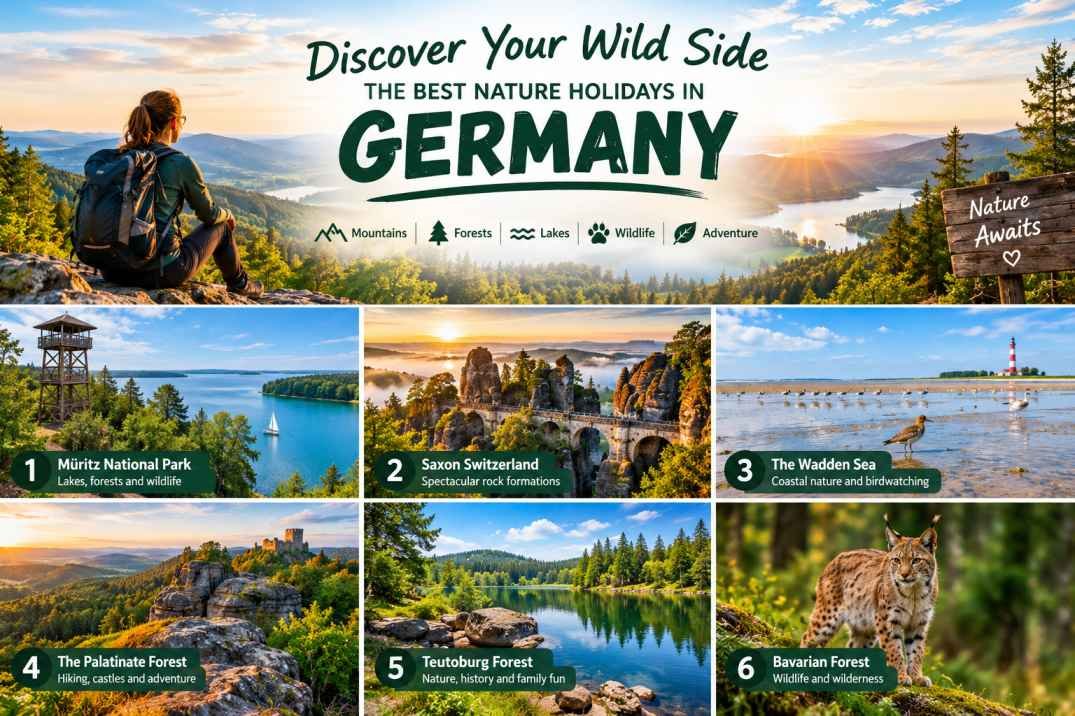
Nature Holidays in Germany: The Best Destinations at a Glance
| Destination | Best for | Things to do |
|---|---|---|
| Müritz National Park | Wildlife and peaceful escapes | Hiking, cycling, birdwatching, kayaking |
| Palatinate Forest | Adventure seekers | Trekking, hiking, castle visits, ziplining |
| Teutoburg Forest | Families and outdoor enthusiasts | Forest walks, nature trails, sightseeing |
| Saxon Switzerland | Hikers and climbers | Rock formations, climbing, scenic walks |
| Wadden Sea | Coastal nature lovers | Mudflat hiking, birdwatching, wildlife spotting |
| Bavarian Forest | Families and nature enthusiasts | Forest trails, wildlife parks, viewpoints |
The best destination depends on the experience you’re looking for. Some regions are perfect for active adventures, while others offer quiet lakes, wildlife encounters, and opportunities to reconnect with nature.
1. Müritz National Park: Lakes, Forests, and Fascinating Wildlife
If you love peaceful landscapes and wildlife, Müritz National Park is an excellent place to begin your nature adventure. Located in Mecklenburg-Vorpommern in northeastern Germany, this protected area is known for its extensive forests, wetlands, and numerous lakes.
The landscape is home to a wide variety of animals, including white-tailed eagles, ospreys, cranes, and other bird species. With patience and a little luck, visitors may also encounter other fascinating wildlife in the surrounding countryside.
Walking trails lead through quiet woodlands and open landscapes, while observation towers provide excellent opportunities to watch birds without disturbing them.
Water is another major attraction here. Lake Müritz, the largest lake located entirely within Germany, gives the region its distinctive character. Visitors can explore the surrounding scenery by bicycle, canoe, or kayak, or simply enjoy the peaceful atmosphere beside the water.
The national park is particularly appealing to travelers who want to slow down and experience nature away from crowded cities.
Best for: Wildlife enthusiasts, birdwatchers, cyclists, and travelers seeking tranquility.
Travel tip: Bring binoculars and plan an early-morning walk for a better chance of spotting wildlife.
2. Saxon Switzerland: A Dramatic World of Sandstone Rocks
Despite its name, Saxon Switzerland is located in eastern Germany, near Dresden and the Czech border. This remarkable region is famous for its towering sandstone formations, narrow valleys, deep gorges, and breathtaking viewpoints.
One of its best-known landmarks is the Bastei Bridge, which crosses a spectacular landscape of sandstone pillars and offers sweeping views over the surrounding countryside. The Schrammsteine rock formations are another highlight, attracting hikers and experienced climbers with their dramatic shapes and challenging routes.
The area contains trails for different experience levels, ranging from relaxed scenic walks to more demanding routes involving steep steps and rocky passages.
Photographers will find plenty of opportunities to capture unusual rock formations, forested hills, and misty valleys. Early mornings can be especially atmospheric when low clouds drift between the cliffs.
Saxon Switzerland is a wonderful destination for anyone who wants to combine physical activity with spectacular natural scenery.
Best for: Hikers, climbers, landscape photographers, and adventurous travelers.
Travel tip: Wear sturdy footwear, check trail conditions before setting out, and choose a route that matches your fitness and experience.
3. The Wadden Sea: Discover Germany’s Coastal Wilderness
Nature adventures in Germany aren’t limited to forests and mountains. Along the North Sea coast, the Wadden Sea offers a completely different landscape shaped by tides, mudflats, salt marshes, and coastal wildlife.
Parts of the Wadden Sea are protected as a UNESCO World Heritage Site because of their ecological importance. The area supports enormous numbers of migratory birds, making it particularly attractive to birdwatchers during spring and autumn.
One of the most memorable activities is a guided mudflat walk, known in German as a Wattwanderung. During low tide, visitors can explore sections of the exposed seabed and learn about the creatures that live there, including crabs, worms, and shellfish.
The coastal islands provide further opportunities to enjoy unspoiled scenery and observe wildlife. Heligoland, famous for its red sandstone cliffs and seabird colonies, is another rewarding destination for nature lovers.
The changing tides make this region fascinating, but they also demand careful planning.
Best for: Birdwatchers, families, coastal explorers, and wildlife enthusiasts.
Travel tip: Join an authorized local guide for mudflat walks. Never attempt to cross tidal areas alone, as the water can return quickly.
Read More: Most Beautiful Courtyards and Alleys in Lübeck
4. The Palatinate Forest: A Paradise for Hikers and Adventurers
Located in southwestern Germany, the Palatinate Forest is one of the country’s most appealing destinations for outdoor enthusiasts. Its extensive woodland, sandstone cliffs, winding paths, and hilltop castles create a landscape that feels made for exploration.
Hikers can follow marked trails through quiet forests, discover hidden viewpoints, and visit the remains of medieval fortresses scattered across the region.
For travelers who prefer a more adventurous experience, designated trekking areas provide opportunities to spend the night outdoors. Certain locations also offer activities such as ziplining, allowing visitors to experience the forest from a completely different perspective.
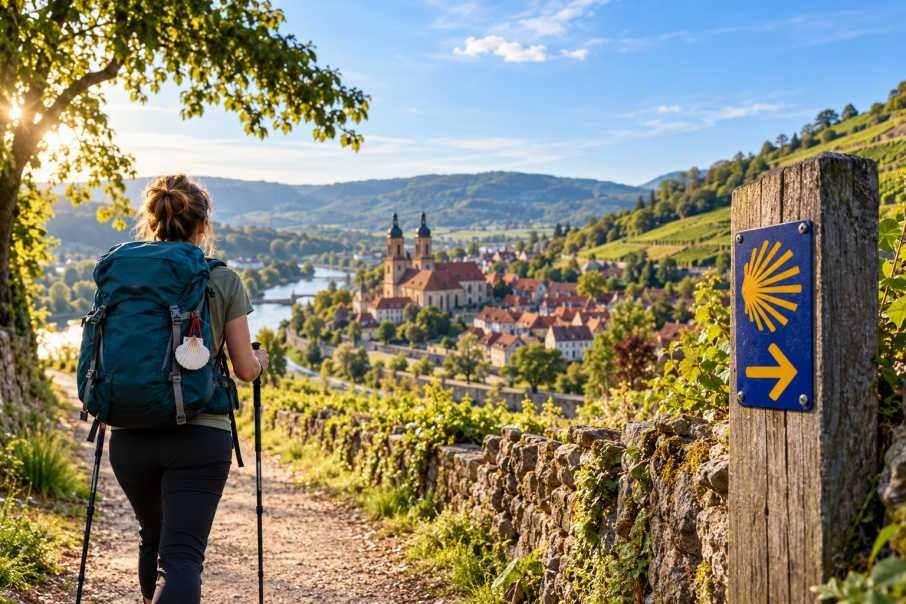
The region is especially attractive to people who enjoy multi-day journeys rather than short excursions. Walking between villages, viewpoints, and historic ruins makes it possible to experience the landscape at a slower pace.
Several routes are suitable for day trips, while longer trails allow experienced hikers to immerse themselves in the countryside for several days.
Best for: Trekking enthusiasts, experienced hikers, adventure seekers, and history lovers.
Travel tip: Check the rules for overnight stays before your trip. Wild camping is restricted in many areas, so use designated trekking sites and reserve them when required.
5. Teutoburg Forest: Nature, History, and Family Adventures
The Teutoburg Forest in northwestern Germany combines attractive woodland scenery with historical landmarks and outdoor activities.
Its rolling hills, forest paths, and unusual sandstone formations make it a rewarding destination for travelers who enjoy combining nature with cultural discoveries.
One of the region’s most famous sights is the Externsteine, a striking group of sandstone rock formations rising dramatically above the surrounding landscape. These formations have attracted visitors for centuries and are among the area’s most recognizable natural landmarks.
The region also offers walking routes, cycling opportunities, family-friendly excursions, and scenic places to pause and enjoy the countryside.
For families, the combination of accessible trails, interesting geological features, and nearby attractions makes it easier to organize a varied outdoor holiday without planning demanding hikes every day.
Best for: Families, casual hikers, photographers, and travelers interested in natural and cultural heritage.
Travel tip: Combine a visit to the Externsteine with a walk through the surrounding woodland for a relaxed day outdoors.
6. The Bavarian Forest: Wildlife and Wilderness in Southern Germany
The Bavarian Forest, located near Germany’s border with the Czech Republic, is an excellent destination for travelers seeking forests, wildlife, and expansive mountain scenery.
Together with the neighboring Šumava region in the Czech Republic, it forms part of a much larger Central European forest landscape.
The Bavarian Forest National Park protects extensive areas of woodland and provides habitats for animals such as lynx, deer, and various bird species. Wildlife enclosures and nature education centers can make animal encounters easier for families and visitors who prefer not to rely on chance sightings.
Hiking trails pass through dense forests, across hills, and toward viewpoints overlooking the surrounding countryside. The region is also known for its treetop walks, where visitors can follow elevated paths through the forest canopy.
Each season offers something different. Summer brings green landscapes and long hiking days, autumn transforms the forest into a colorful display, and winter can create peaceful snowy scenery.
Best for: Families, wildlife lovers, hikers, and travelers looking for a quiet mountain escape.
Travel tip: Choose a combination of forest walks and visitor attractions if you’re traveling with children or have limited hiking experience.
Birdwatching in Germany: A Closer Look at the Wild
Birdwatching might sound like a quiet hobby, but it can become an exciting way to explore some of Germany’s most beautiful natural areas.
The country’s wetlands, forests, coastal regions, and lakes attract many different bird species throughout the year. Depending on the destination and season, you may see cranes gathering in wetlands, eagles searching for food, or migratory birds resting during long journeys between breeding and wintering grounds.
When is the best time to watch birds?
Early morning is often a productive time because many birds are active and vocal. The hours before sunset can also be rewarding, depending on the species and habitat.
- Spring: Migratory birds return, and many species become more active during the breeding season.
- Summer: Forests and wetlands are full of activity, making it a good time to observe resident birds.
- Autumn: Large numbers of migratory birds pass through Germany, especially around wetlands and coastal areas.
- Winter: Some regions offer opportunities to observe wintering waterbirds and other cold-season visitors.
The Wadden Sea and Müritz National Park are especially attractive choices for travelers interested in birdwatching.
Tip: Bring binoculars, keep a respectful distance from wildlife, and use local birdwatching guides to identify species.
The Best Time for a Nature Holiday in Germany
Germany is a year-round destination for nature lovers, but the best time to visit depends on the activities you want to enjoy.
Spring: Fresh Green Landscapes
Spring brings new growth, blooming flowers, and increasing wildlife activity. It is an excellent season for woodland walks, photography, and birdwatching. Coastal wetlands can be particularly interesting as migratory birds move through the region.
Summer: Long Days and Outdoor Adventures
Summer is ideal for hiking, cycling, kayaking, and exploring lakes. Longer daylight hours allow travelers to spend more time outside, although popular destinations can become busier during school holidays.
Autumn: Colorful Forests and Quiet Trails
Autumn is a wonderful season for exploring Germany’s forests. Leaves turn golden, red, and orange, while cooler temperatures can make longer walks more comfortable. Misty mornings over lakes and valleys create beautiful photographic opportunities.
Winter: Peaceful Landscapes and Snowy Forests
Winter offers a quieter side of Germany’s natural landscapes. In suitable regions, visitors can enjoy snowy woodland walks, winter hiking, and peaceful mountain views. Some trails and outdoor attractions may have seasonal restrictions, so checking conditions is important.
For most hiking and trekking trips, late spring through early autumn provides the widest choice of accessible routes, although conditions vary by destination.
Read More: Top 10 Attractions in Munich, Germany
How to Enjoy Nature Responsibly
Beautiful natural environments depend on visitors treating them with care. National parks, wetlands, and other protected areas provide essential habitats for wildlife, so small decisions can make a meaningful difference.
Follow these simple guidelines during your trip:
- Stay on marked trails to protect plants and sensitive habitats.
- Avoid feeding or approaching wild animals.
- Take all rubbish with you and leave natural objects where they belong.
- Respect seasonal restrictions and wildlife protection zones.
- Keep noise levels low, especially in areas used by nesting birds.
- Use public transport when practical to reduce the environmental impact of your journey.
Many German nature destinations can be reached by train and bus, although some remote trailheads may require additional local transport. Planning your route in advance can help you spend more time enjoying the landscape and less time worrying about logistics.
Responsible travel allows you to experience nature while helping preserve it for future visitors.
Where to Stay During a Nature Holiday in Germany
Your accommodation can shape the entire experience of a nature-focused trip. Depending on your destination, you might choose a small guesthouse in a forest village, a countryside hotel near hiking trails, or accommodation close to a lake.
For adventurous travelers, designated trekking camps offer a more basic outdoor experience in certain regions. These facilities can be particularly appealing for multi-day hiking trips, but availability, reservation requirements, and overnight rules differ from place to place.
Families may prefer accommodation near wildlife parks, visitor centers, or easy walking routes. Travelers looking for a peaceful break might enjoy staying in a small village where forests and countryside are just a short walk away.
When choosing accommodation, consider its distance from your planned activities, access to public transport, and the availability of local shops and restaurants.
Final Thoughts
Germany has far more to offer nature lovers than many visitors expect. From the lakes and forests of Müritz National Park to the sandstone cliffs of Saxon Switzerland, its landscapes provide opportunities for adventure, relaxation, and wildlife discovery.
You can spend your days hiking through woodland, exploring dramatic rock formations, observing migratory birds, or enjoying peaceful moments beside a lake. Families can discover accessible nature trails, while experienced outdoor enthusiasts can plan longer treks through some of the country’s most beautiful regions.
The secret to a memorable nature holiday is choosing a destination that matches your interests and allowing enough time to experience it without rushing.
So, pack your bag, step away from your everyday routine, and discover a different side of Germany — one filled with fresh air, spectacular scenery, and outdoor adventures waiting to be explored.
Frequently Asked Questions
Where are the best places for a nature holiday in Germany?
Some excellent choices include Müritz National Park, the Bavarian Forest, the Palatinate Forest, Saxon Switzerland, the Harz Mountains, and the North Sea and Baltic Sea coasts. Each offers a different combination of landscapes, wildlife, and outdoor activities.
Which destinations are suitable for families?
The Bavarian Forest and Teutoburg Forest offer family-friendly walking opportunities and nature attractions. The right choice depends on children’s ages, preferred activities, and how much walking the family wants to do.
Where can I go trekking in Germany?
The Palatinate Forest and other designated trekking regions offer opportunities for multi-day hikes. Look for marked long-distance trails and official overnight camps, and check reservation requirements before traveling.
Can I enjoy a nature holiday in Germany without a car?
Yes. Many popular natural destinations are accessible by train and bus, although connections to remote trailheads can be limited. Check local transport schedules and consider staying in towns or villages with convenient access to hiking routes.
What should I pack for a nature holiday?
Comfortable walking shoes, weather-appropriate clothing, a reusable water bottle, a small first-aid kit, and a backpack are useful essentials. Binoculars can improve wildlife watching, while a waterproof jacket is helpful in changeable weather.